Keeping Cedar Siding Sound Through Canadian Seasons
Maintenance schedules for gentle washing, UV-stable stains, and early detection of soft spots. Practical, region-specific information for homeowners from British Columbia to Nova Scotia.
Maintenance Topics
Three Areas That Define Cedar Siding Upkeep
Proper maintenance of Eastern White Cedar siding involves three distinct but interrelated practices: regular cleaning, protective staining, and structural inspection.
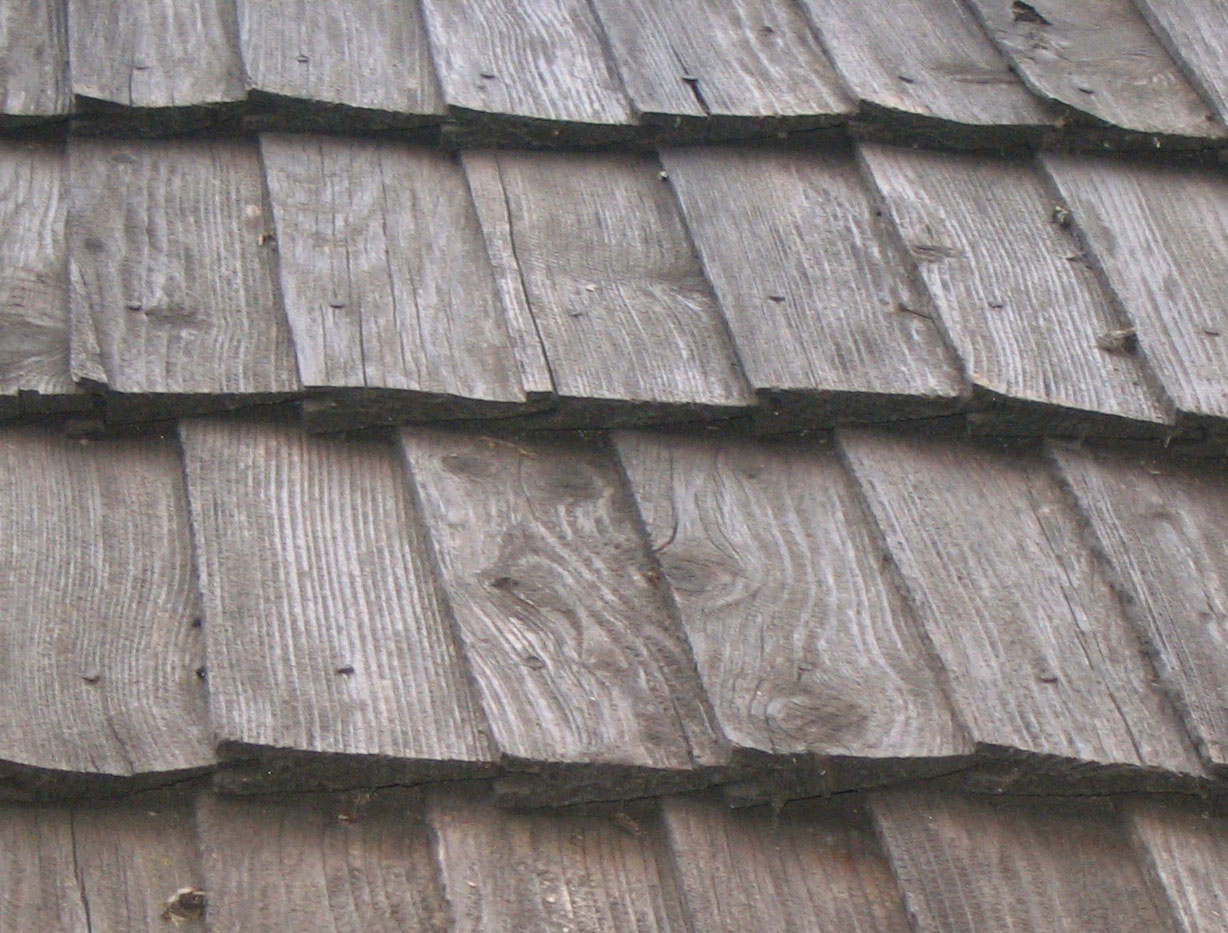
Annual Cedar Siding Cleaning Schedule for Canadian Climates
A structured approach to removing mildew, dirt, and organic buildup from cedar siding without damaging the wood grain or depleting natural oils.

Choosing UV-Stable Stains for Eastern White Cedar Siding
UV radiation accelerates graying and surface degradation on cedar. Understanding penetrating vs. film-forming stains helps extend the recoat interval significantly.
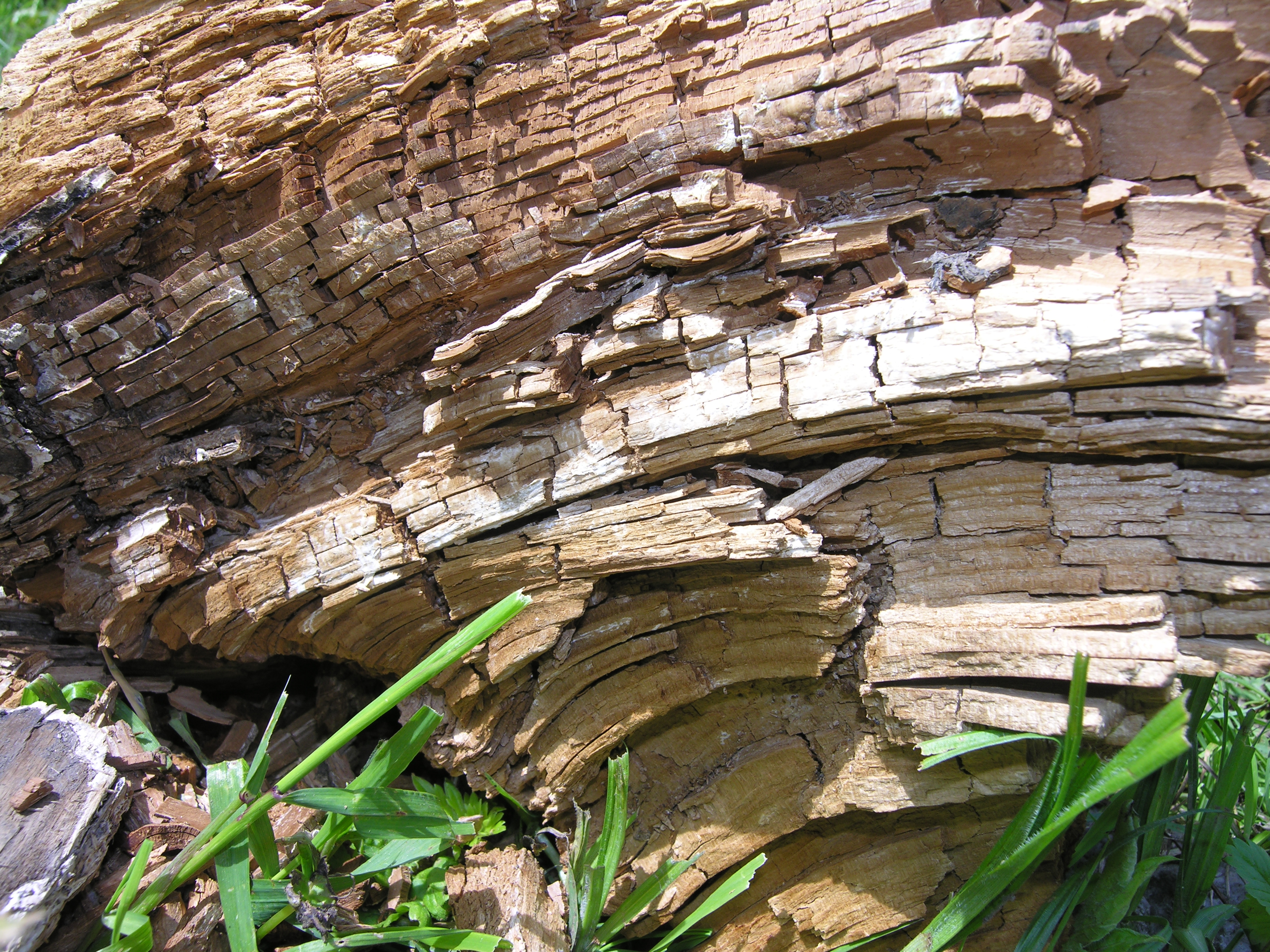
Detecting Soft Spots and Rot in Cedar Siding: An Inspection Guide
Early-stage rot in cedar siding is often invisible to casual observation. This guide covers physical probing techniques, moisture readings, and when replacement is warranted.
About Eastern White Cedar
Why Cedar Siding Demands Specific Care
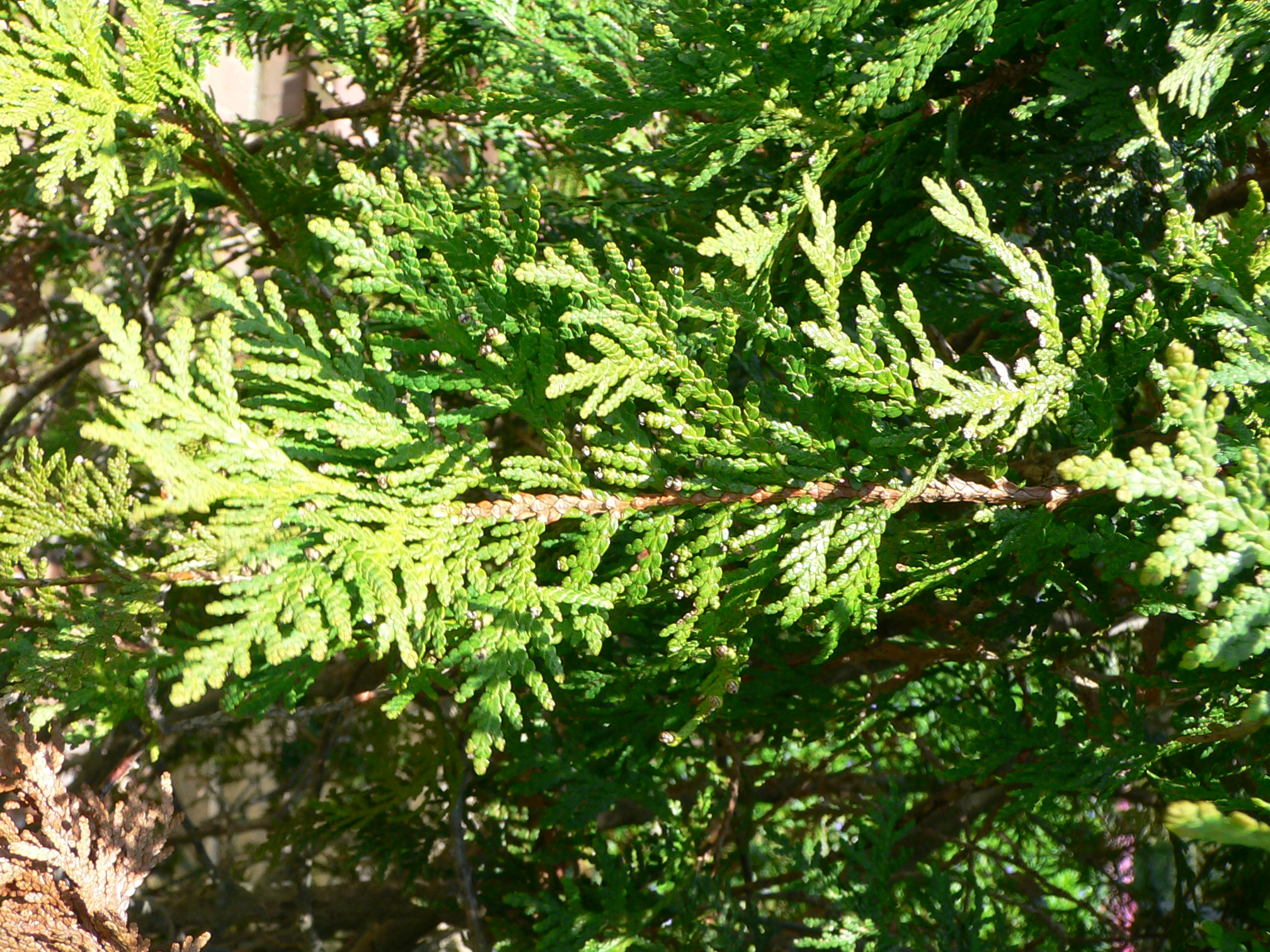
Eastern White Cedar (Thuja occidentalis) is a softwood species native to eastern Canada and the northeastern United States. Its natural oils make it resistant to moisture and insects, but those oils gradually deplete over time with UV exposure and weathering.
Once depleted, unprotected cedar begins to gray uniformly — a process called photodegradation. Left untreated, surface checks (small cracks) allow water infiltration that accelerates rot, particularly at butt joints, window surrounds, and areas with limited airflow.
Canadian climates introduce additional stress: freeze-thaw cycling forces moisture deeper into checked grain, and spring snowmelt can saturate siding bases for extended periods. Maintenance practices developed for milder climates often need adjustment for conditions from Ontario to Alberta.

Key Maintenance Factors
What Affects Cedar Siding Lifespan
Exposure Orientation
South- and west-facing siding receives the highest cumulative UV load. In most Canadian provinces, these faces typically require restaining on a shorter interval than north- and east-facing walls.
Installation Details
A minimum 6-inch clearance between siding and grade allows air circulation and prevents soil-splash contamination. Back-priming (applying finish to the hidden face) significantly reduces moisture infiltration from behind.
Species Variation
Eastern White Cedar is softer than Western Red Cedar. It accepts penetrating stains more readily but also compresses more under probe testing. Distinguishing between the two matters when evaluating density changes during a rot inspection.
Regional Climate Considerations
Coastal BC brings high rainfall and mild freeze-thaw; Prairie provinces bring extreme temperature swings and low humidity; Atlantic Canada combines salt air with heavy precipitation. Each scenario affects cleaning frequency and stain formulation choice.
Contact
Send a Question
Get in Touch
Use the form below to submit questions about cedar siding maintenance. Responses are provided on a best-effort basis.